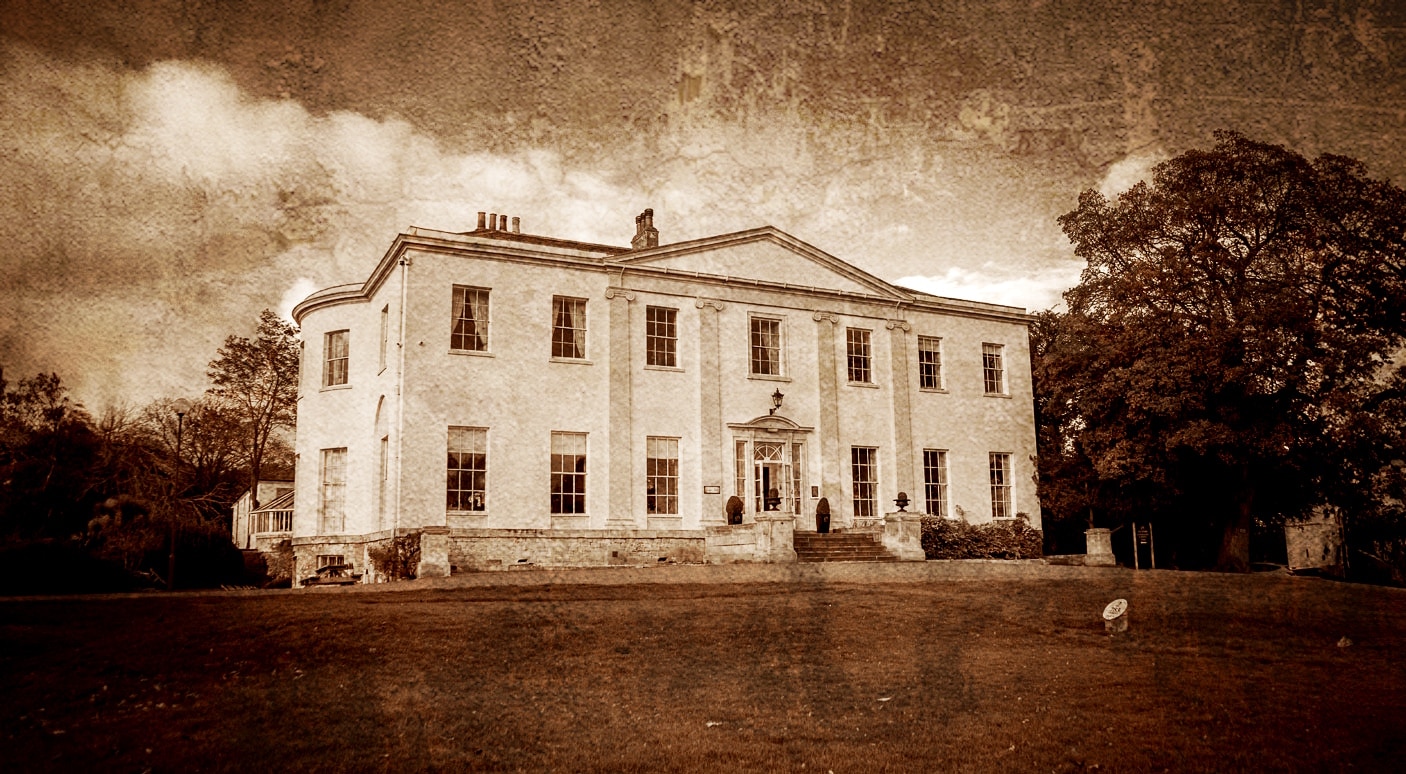
Owston Hall House History
The history of Owston Hall estate can be traced back to 1086 and the Norman Conquest of William the Conqueror. The estate is mentioned in the Domesday Book and has been owned by numerous landed gentries throughout its history.
Although the current house can be traced to at least the 1700s, it was built on a much earlier house or settlement site. By 1775, it was owned by a widow, Mary Cooke, who acquired land from the Duke of Ancaster, making the complete estate over 1000 acres large. Since then, the changing manor ownership and the exploration for coal for 100 years from the 1860s has shrunk the estate to the current, more manageable 147 acres that hotel guests can explore.
The Neoclassical architecture of the 18th-century hall wonderfully reflects the popular style of the time: grand-scale rooms, simple geometric forms, and Greek/Roman detailing. In 1785, Mary Cooke was succeeded by her son Bryan Cooke and his wife Frances (pictured) as lord and lady of the manor. In 1793, Bryan invited eminent landscape gardener Humphry Repton (pictured) to create plans for the Owston Hall parkland. Elements of Repton’s famous Red Book designs and plantations are still incorporated into today’s layouts.
In the 1800s, the manor house underwent substantial architectural alterations, and again in the early 20th century, when the front section was turned into flats.
By the early 1930s, the hall had been converted to a golf clubhouse, with most of the parkland turned into a golf course. Large parts of the estate were sold off to cover death duties in 1946, and the remainder, including the hall and former parkland, were sold in 1979. Its owner kept the golf course and turned the hall into a hotel, as it remains today.
In 2022, the Martin family from Doncaster purchased the estate after seeing the potential to return it to its former glory. Understanding the significance of the hall’s heritage and Grade II* Listing, the Martin family is dedicated to restoring the manor sympathetically whilst creating a world-class hotel, golf and spa resort for the benefit of guests and the local Doncaster community.
-
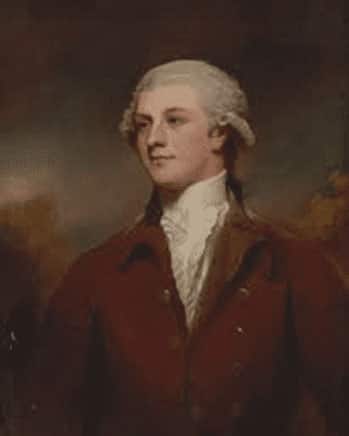
Bryan Cooke
Lord Of The Manor
-
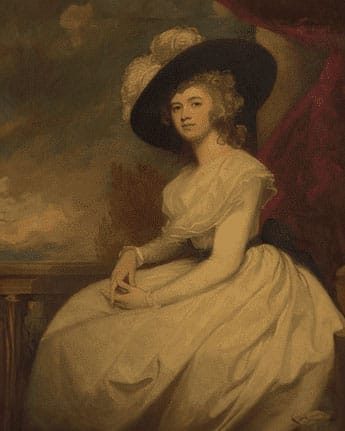
Frances Cooke
Lady Of The Manor
-
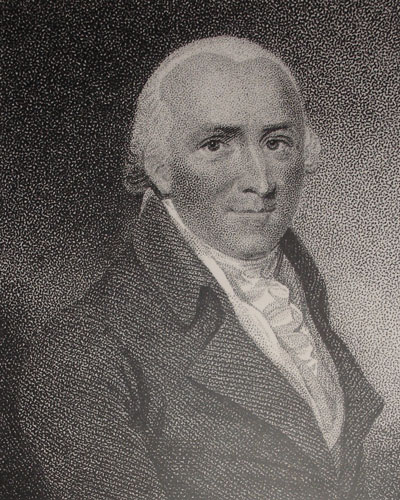
Humphry Repton
Landscape Gardener
-
Bryan Cooke
Lord Of The Manor
-
Frances Cooke
Lady Of The Manor
-
Humphry Repton
Landscape Gardener
-
Bryan Cooke
Lord Of The Manor
-
Frances Cooke
Lady Of The Manor
-
Humphry Repton
Landscape Gardener
-
Bryan Cooke
Lord Of The Manor
-
Frances Cooke
Lady Of The Manor
-
Humphry Repton
Landscape Gardener